 01
Source becomes a world
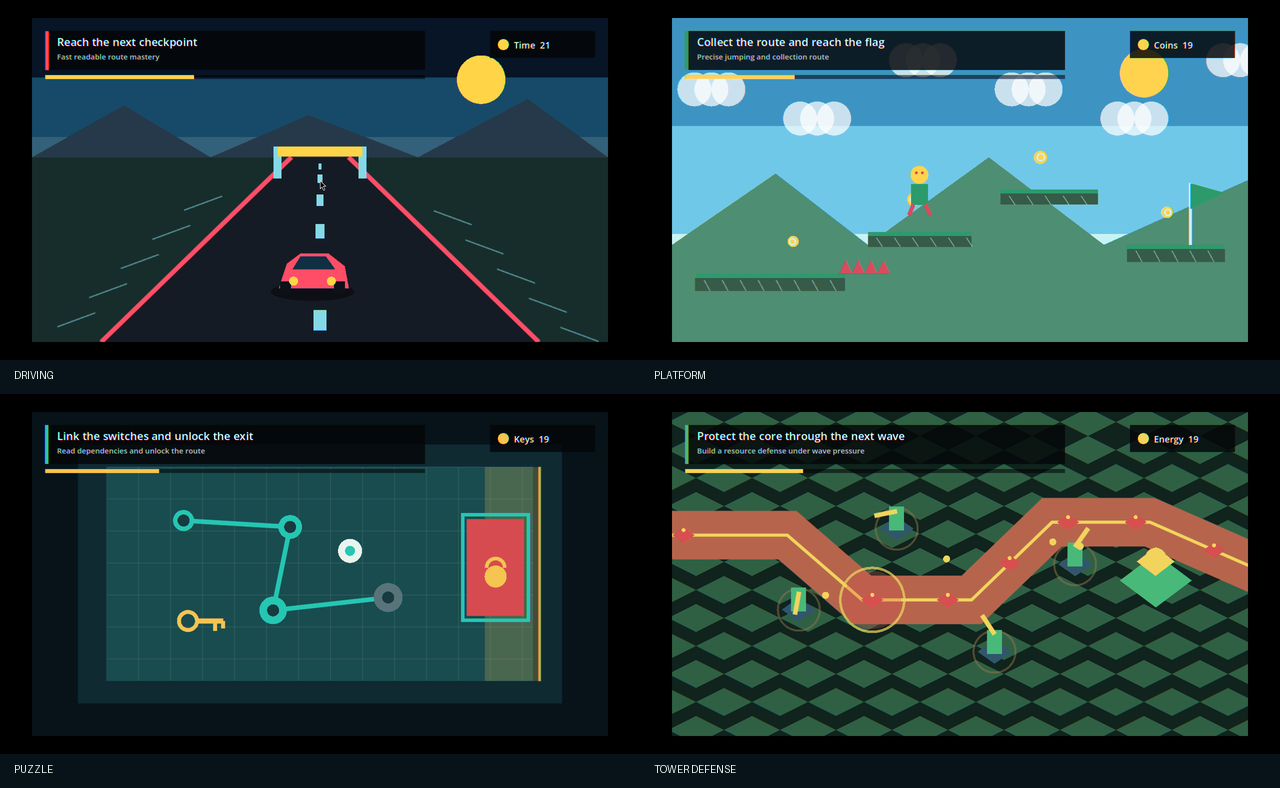
NeuralEngine
A source-to-world engine that turns structured programs into interactive behavior, then judges the result through real Godot runtime checks.
Read the case studyIndependent AI research · core project: NeuralEngine
I build systems that connect representation to action: a model writes a program, a world executes it, and an embodied machine turns perception into movement.
The central question
NeuralEngine is the anchor of this portfolio. It treats generated code as a candidate action policy, then checks the candidate at every boundary before it receives credit: source, parse, compile, binding, and behavior.
A working method
I work across machine learning, distributed training, game engines, and embodied intelligence. The common thread is operational: define the interface, isolate the shortcut, record the failure, and publish the boundary with the result.
Selected work
Five projects connect generated worlds, distributed learning, memory, and physical control. Status labels describe the evidence that exists today.
01
Source becomes a world
A source-to-world engine that turns structured programs into interactive behavior, then judges the result through real Godot runtime checks.
Read the case study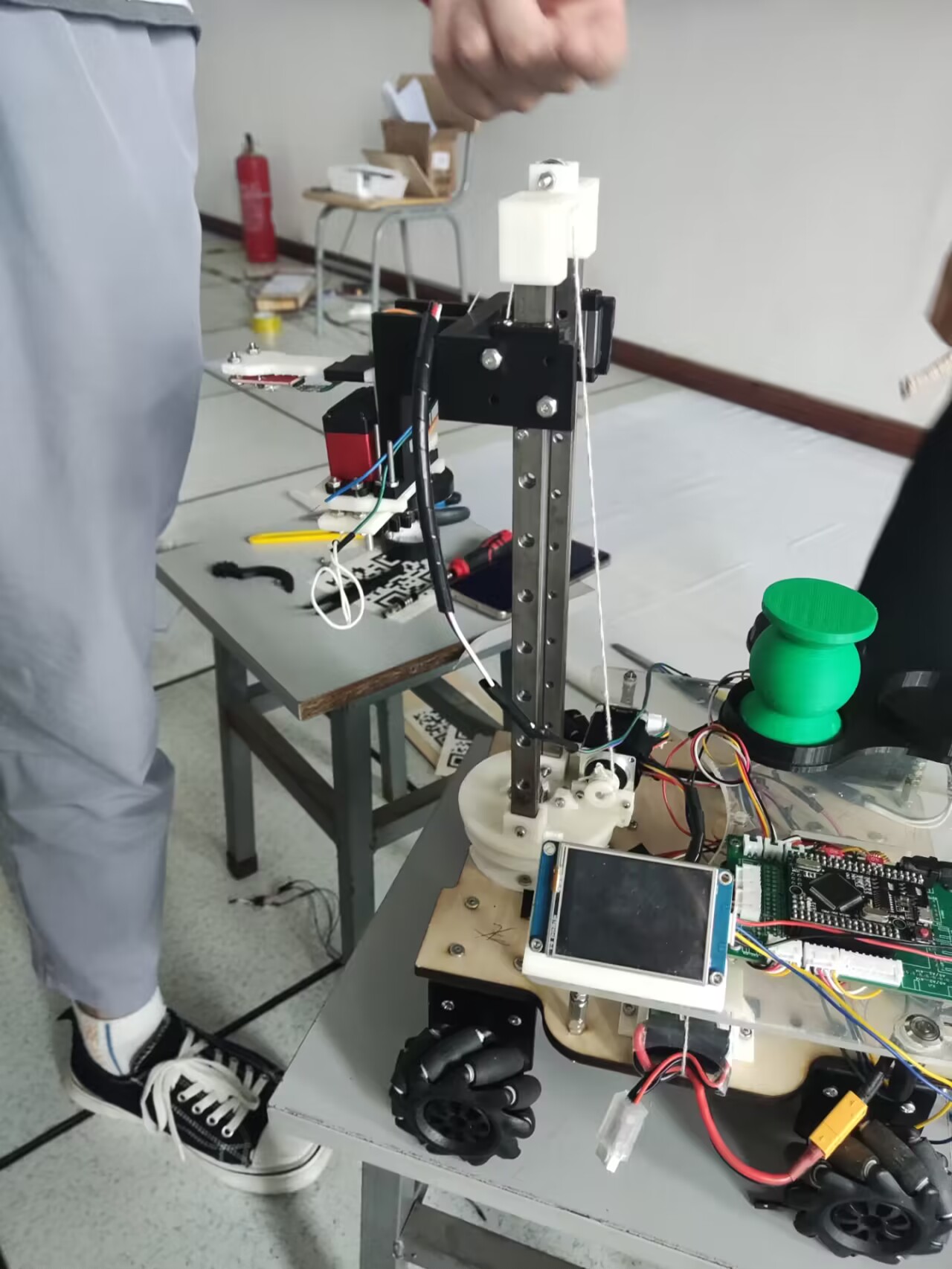 02
Perception becomes motion
A competition-built embodied system combining OpenMV vision, Arduino control, a custom PCB, and a mechanical arm for intelligent logistics handling.
Read the case study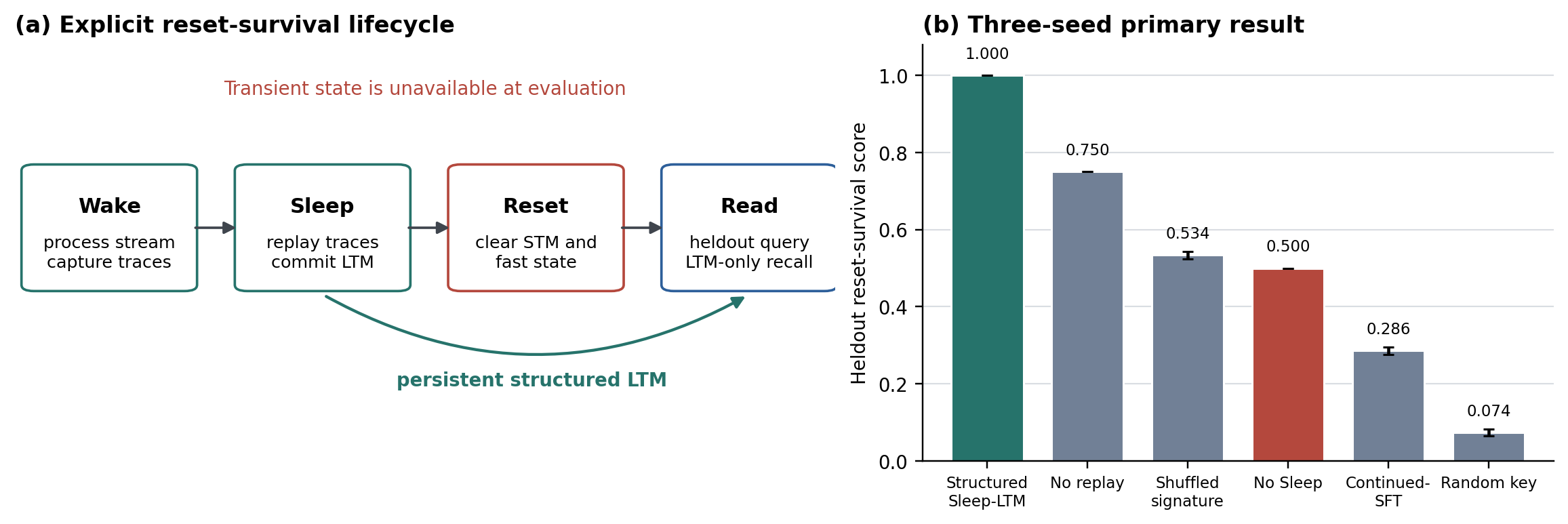 03
Memory after the reset
A controlled research program on whether learned memory can survive short-term state reset without confusing replay, retrieval, and parameter updates.
Read the case study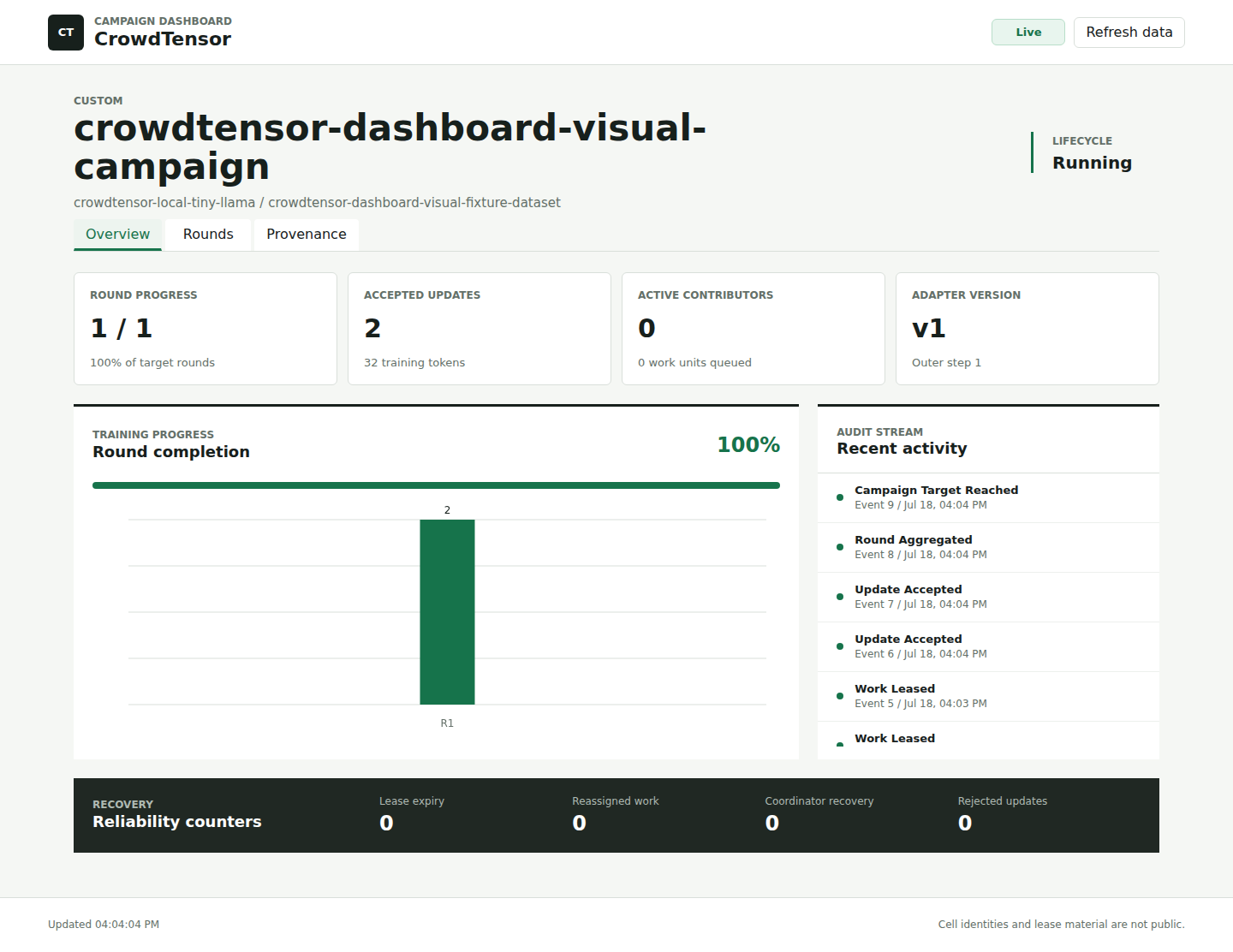 04
Training as a commons
An open coordination layer for intermittent and heterogeneous workers, built around checkpoint lineage, validation receipts, and recoverable continual training.
Read the case study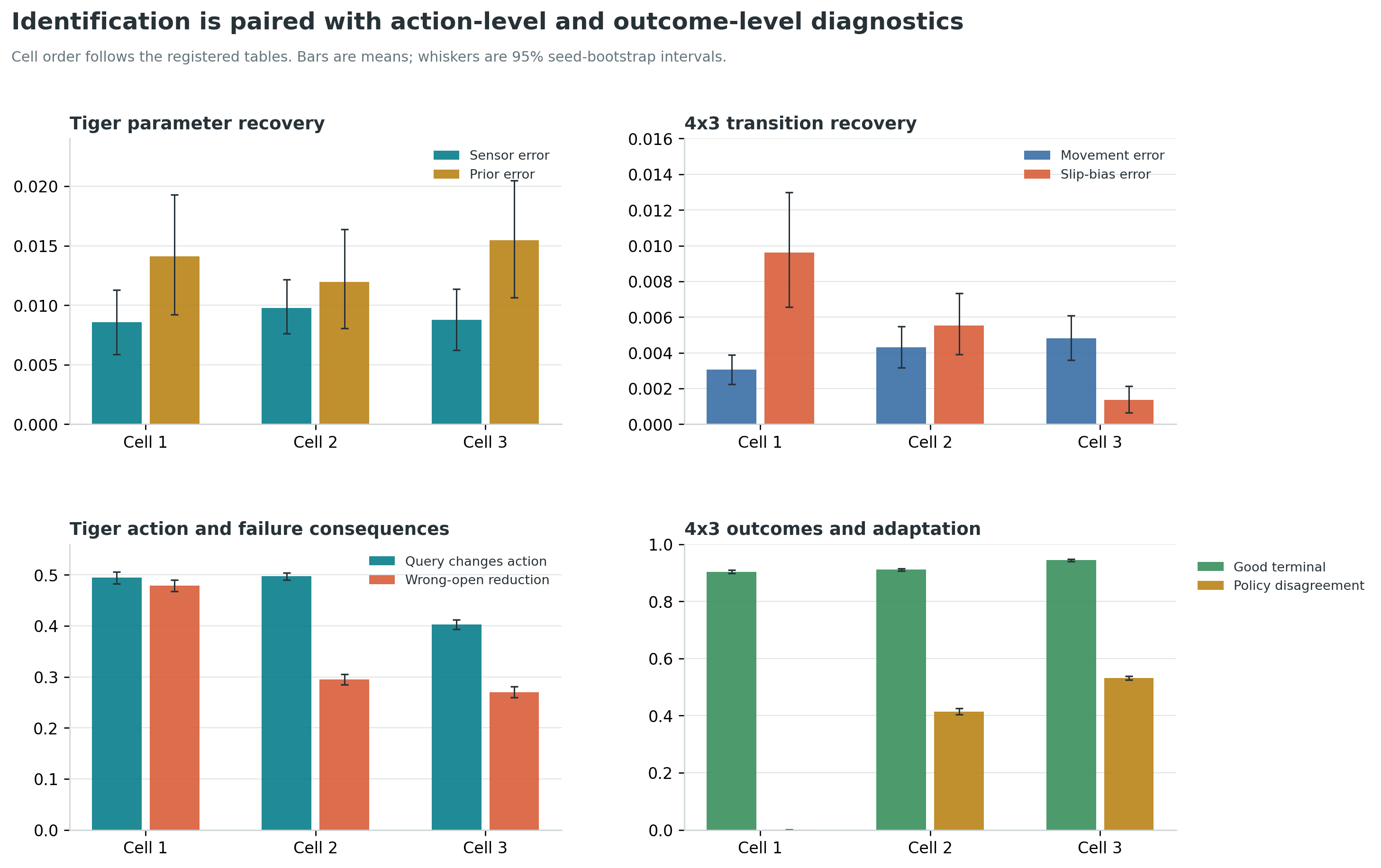 05
A body for a model
An embodied research line connecting model identification, action-sensitive evidence, and active inference ideas while keeping claims bounded by executable tests.
Read the case studyWhat I care about
Small, explicit contracts make it possible to tell learning from leakage and a demo from a system.
A failed gate narrows the research space. It stays visible instead of becoming a footnote.
Code, manifests, checkpoints, and evidence maps should let another person follow the reasoning.
Notes from the workbench
The blog remains the place for smaller implementation notes and reproducibility updates.
Start a conversation